$93,000 BOUGHT TOBY KEITH BACK THE ALBUM HIS LABEL HAD REJECTED.
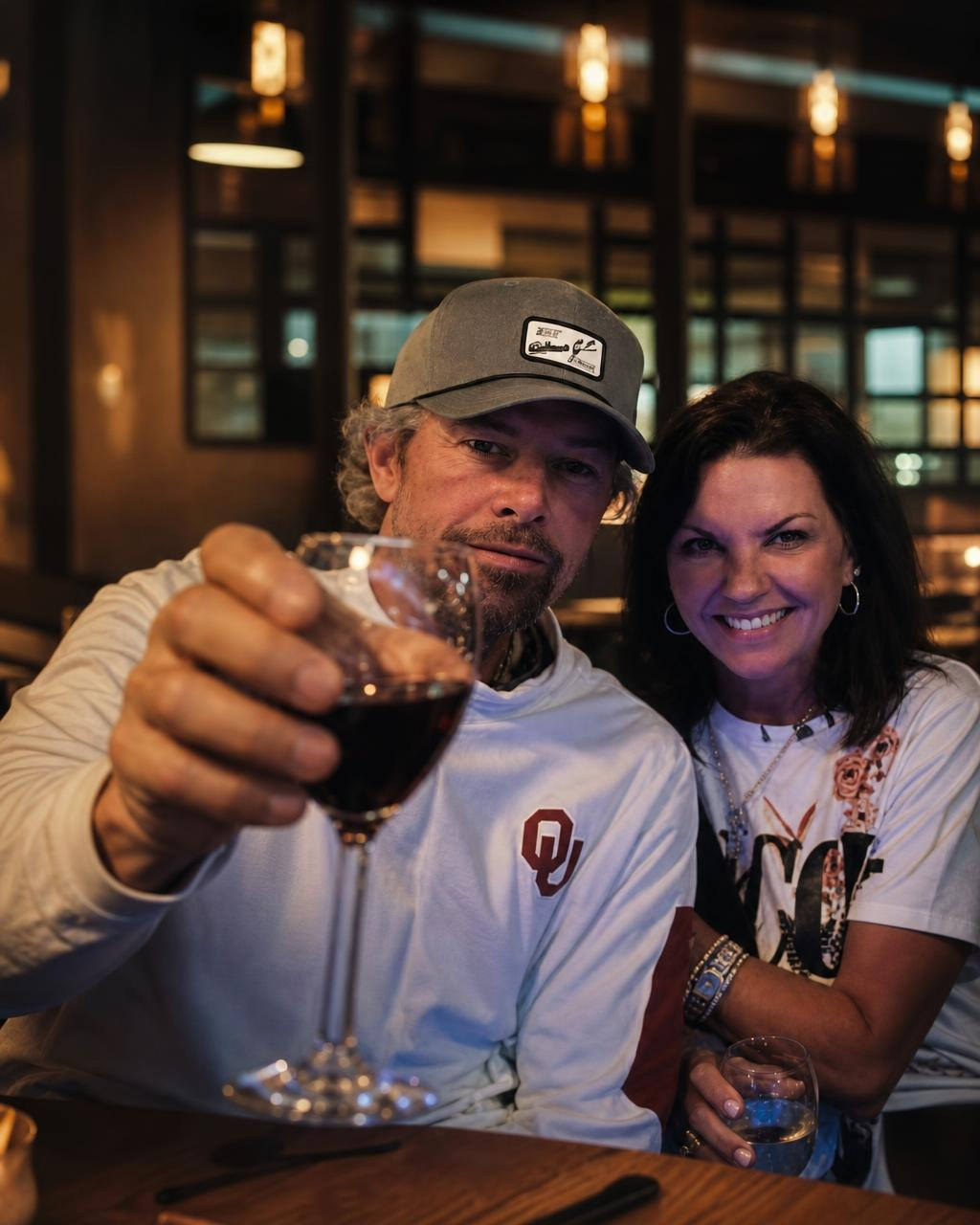
Toby Keith’s rise was not a straight line. It was a fight, a gamble, and, in one famous moment, a lesson in trusting your own instincts when the people in charge do not see the same future you do.
At Mercury Nashville, the finished record did not land the way Toby Keith hoped. The label kept only two songs off the project and rejected the rest. He went back into the studio and cut two more tracks, but those were rejected too. In the end, Toby Keith asked to be released from his deal and negotiated to buy the unwanted album rights for $93,000. Then he carried the record across town to DreamWorks, which agreed to pay him $200,000 for it.
That move turned out to be more than a business decision. It became a statement. Toby Keith had taken a record his own label did not want and found a new home for it. But DreamWorks was cautious, too. The label led with “When Love Fades,” and the song stalled. Meanwhile, the title track, “How Do You Like Me Now?!,” was still sitting unreleased as the real spark waited in the shadows.
Toby Keith did not stay quiet about it. He pushed back and argued that the label was not giving the song a fair chance. As he told Billboard, he felt they were not giving him “the chance to fire my biggest missile.” DreamWorks listened, and within five days, it pulled the first single.
Then the moment arrived. On March 18, 2000, “How Do You Like Me Now?!” went to No. 1 on the country chart and stayed there for five weeks. The song became Toby Keith’s breakthrough on a new level, and the album went platinum. Billboard later named it the top country song of the year.
What makes the story memorable is not just the numbers. It is the confidence behind them. Mercury Nashville heard a record and let most of it go. DreamWorks hesitated. Toby Keith kept going anyway. In the end, one of the songs that got left behind became the biggest country record of the year.
Sometimes the song everyone doubts is the one that changes everything.
Toby Keith’s story is a reminder that rejection is not always the final word. Sometimes it is only the beginning of a better deal, a better audience, and a louder victory.